ultimate-guide
12 Perennial Food Plants for Year-Round Harvests
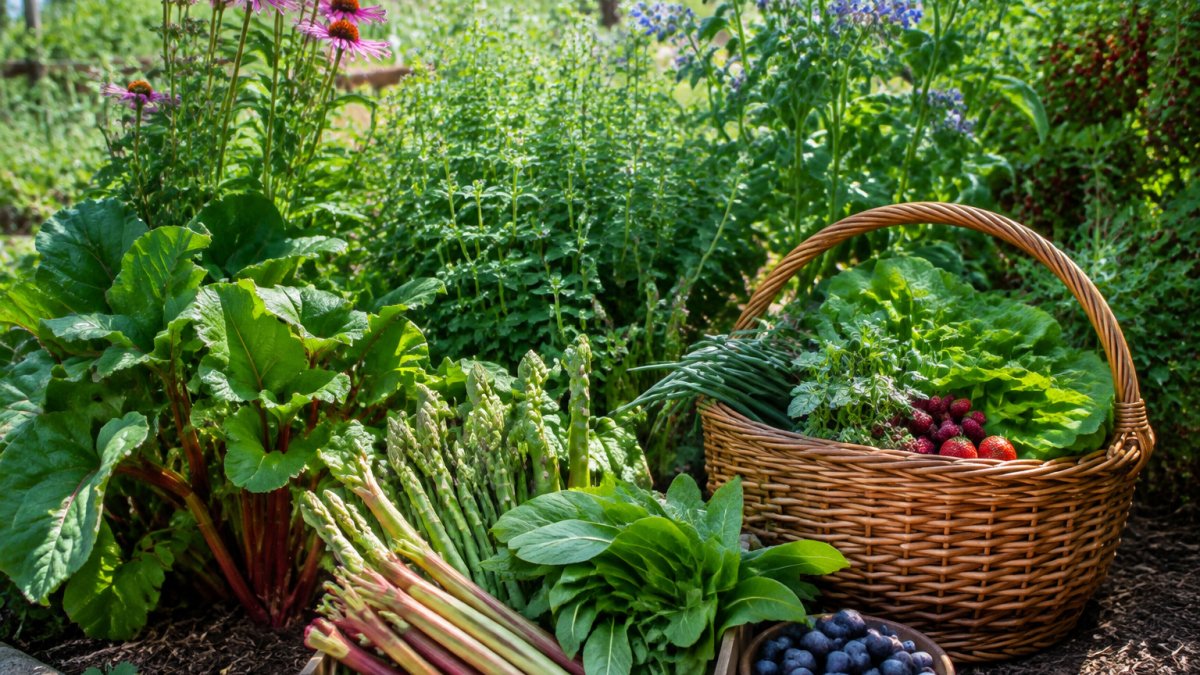
Last Updated: November 4, 2026
Quick Summary
The best perennial food plants for year-round harvests are planted once and harvested for years, with windows that overlap across seasons. Asparagus and rhubarb carry spring, berries carry early summer, and tree fruit, nuts, and storage crops carry autumn and winter. Plant at least two species per season so a bad year for one does not empty a whole window.
- Harvest asparagus lightly in the third year, then heavily for decades.
- The late-winter gap from January through March is the hardest to fill with fresh perennial food.
- Feed the soil by top-dressing with compost each autumn instead of digging.
- Space is the binding constraint in perennial planning, not plant count.
- Sink a root barrier or bottomless container before planting Jerusalem artichoke, horseradish, or mint.
Table of Contents
- Why Perennial Food Plants Change How You Garden
- The Best Perennial Food Plants for Year Round Harvests
- Perennial Vegetables for Zone 5 and Other Cold Climates
- A Month-by-Month Harvest Calendar for a Perennial Garden
- Chemical-Free Perennial Garden Maintenance That Works
- Space, Yield, and Time-to-Harvest: Planning a Realistic Garden
- Containment, Spread, and the Plants That Take Over
- Start Your Perennial Plan with Herban Root and Remedy
- Frequently Asked Questions
Why Perennial Food Plants Change How You Garden
Twenty percent of households, or 27 million, grew herbs in 2025, according to Greenhouse Management's horticulture trend reporting, down from 23% the year before. That dip tells us something useful: gardeners are getting more selective about what earns a spot in the bed. Perennial food plants for year-round harvests reward that selectivity, because you plant once and harvest for years instead of replanting every spring. (Source: guide on how to start a vegetable garden for beginners)
Perennials are the backbone of a self-reliant garden. They ask for patience up front and pay it back for a decade or more.
The Real Difference Between Annuals and Perennials
An annual completes its life cycle in one season and must be replanted. A perennial food plant is a species that survives winter and produces food again from the same root system, crown, or woody frame.
That single difference changes your whole calendar. Annuals demand soil prep, seed starting, and transplanting every year. Perennials settle in, deepen their roots, and often produce more each season as they mature. If you are newer to growing food and want a foundation first, our guide on how to start a vegetable garden for beginners covers layout, soil, and easy crops for a productive first season.
The Best Perennial Food Plants for Year Round Harvests
The best perennial food plants for year-round harvests combine three things: reliable return, a useful edible part, and a harvest window that fills a gap in your annual crops. Here are twelve we would plant first.
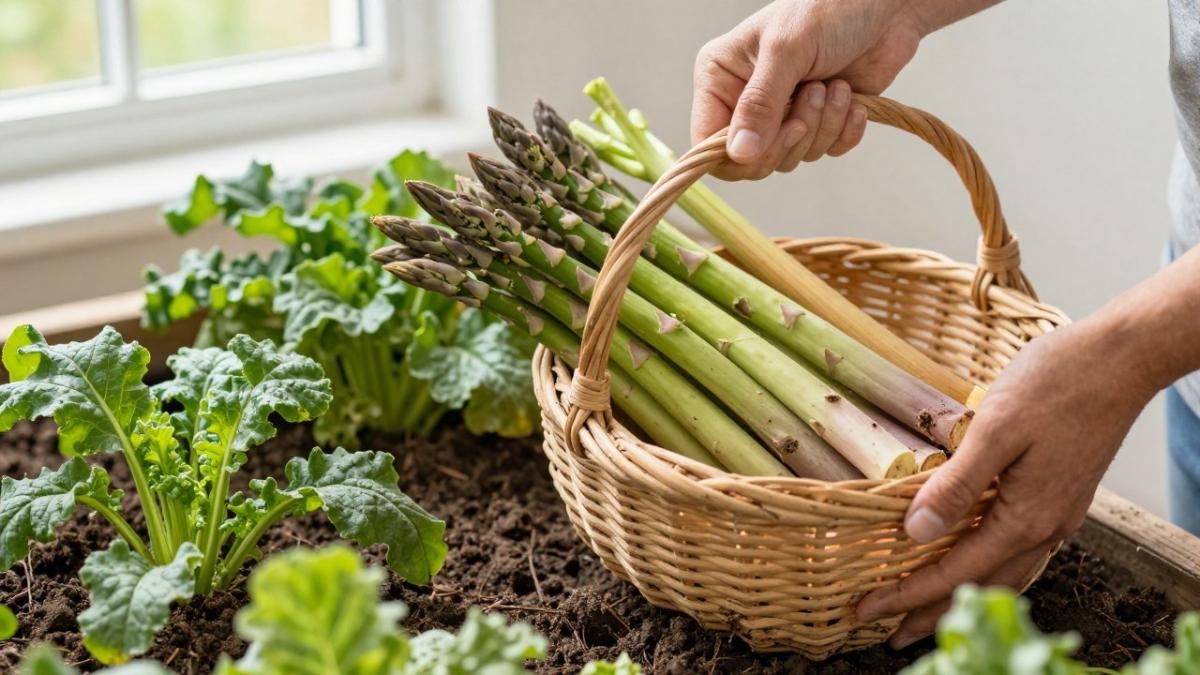
Perennial Vegetables That Earn Their Space
1. Asparagus (Asparagus officinalis). The classic long-lived crop. Harvest lightly in the third year, then heavily for decades.
2. Rhubarb (Rheum rhabarbarum). Cold-hardy and generous. Pull stalks from spring into early summer and leave the crown to recover.
3. Jerusalem artichoke (Helianthus tuberosus), also called sunchoke. Dig tubers in late autumn and winter.
4. Horseradish (Armoracia rusticana). Grate the roots for a sharp condiment.
5. Lovage (Levisticum officinale). A tall herb with a celery-like leaf and seed. Cut repeatedly from spring to autumn.
6. Fennel (Foeniculum vulgare). The perennial herb form returns each year for leaf, seed, and pollen.
Perennial Fruits, Berries, and Nuts
7. Strawberry (Fragaria species). Short-lived perennials that renew themselves by runners. Refresh beds every few years.
8. Blueberry (Vaccinium species). Needs acidic, well-drained soil and full sun. Worth the fuss for decades of fruit.
9. Caneberries. Raspberries and blackberries fruit on canes that return year after year. Prune by type: summer-fruiting or fall-fruiting.
10. Elderberry (Sambucus nigra). Our growing elderberry guide walks through planting and care.
11. Asian pear (Pyrus pyrifolia). A fruit tree that crops reliably and stores well into winter.
12. Hardy nuts. Hazelnut and similar nut shrubs suit larger plots and give a storable autumn harvest.
Perennial Herbs for the Kitchen and Apothecary
Woody herbs like thyme, sage, oregano, and rosemary come back every year and anchor both kitchen and apothecary. Alliums such as chives and walking onions return early and divide freely. Echinacea is the immune herb worth a permanent spot; our Growing Echinacea guide covers the two main species and how to harvest the root.
Perennial Vegetables for Zone 5 and Other Cold Climates
The best perennial vegetables for zone 5 are the cold-hardy workhorses: asparagus, rhubarb, horseradish, Jerusalem artichoke, lovage, and chives. These survive hard winters and emerge reliably in spring.
Cold matters less than drainage. A plant that sits in wet soil through winter rots at the crown regardless of its cold rating. Plant on raised ground, add organic matter, and mulch after the ground freezes rather than before.
Microclimates matter too. A south-facing wall, a sheltered corner, or a slope that drains early can push your effective zone up by a notch. Walk your plot in winter and note where snow melts first; that is where the tender perennials belong.
A Month-by-Month Harvest Calendar for a Perennial Garden
Most plant lists stop at 'plant these and harvest for years.' The harder question behind perennial food plants for year-round harvests is sequencing: which species overlap, which fill the hungry gap, and what you actually eat in February.
| Month | Fresh harvest | Stored or preserved | Plants involved |
|---|---|---|---|
| January | Jerusalem artichoke dug from unfrozen ground; forced chives on a windowsill | Cured winter squash, dried herbs, frozen berries, shelled hazelnuts | Sunchoke, chives, hazelnut |
| February | Forced rhubarb under a bucket; walking onion greens in mild spells | Same stores; elderberry syrup and dried echinacea root | Rhubarb, walking onion, elderberry |
| March | Chives, lovage tips, walking onions, overwintered parsley | Last of the nuts and dried fruit | Chives, lovage, walking onion |
| April | Asparagus begins (established beds), rhubarb in full pull, sorrel and lovage leaf | Fermented and frozen surplus | Asparagus, rhubarb, lovage |
| May | Asparagus peak, strawberries begin, fennel leaf | Freeze asparagus trim and rhubarb | Asparagus, strawberry, fennel |
| June | Strawberry peak, early caneberries, fennel pollen forming | Jam, dried strawberry leather | Strawberry, caneberry, fennel |
| July | Blueberry and caneberry peak, sage and thyme at their best | Dry herbs before flowering | Blueberry, caneberry, sage, thyme |
| August | Elderberry, late caneberries, fennel seed | Elderberry syrup and tincture; freeze berries | Elderberry, caneberry, fennel |
| September | Asian pear, horseradish roots begin, lovage seed | Pear storage in a cool room; grate and vinegar-pack horseradish | Asian pear, horseradish, lovage |
| October | Hazelnuts, sunchokes, late pears | Cure nuts; dig sunchokes as needed | Hazelnut, sunchoke, Asian pear |
| November | Sunchokes, horseradish, hardy herbs under cover | Root cellar and freezer inventory | Sunchoke, horseradish, thyme |
| December | Sunchokes in mild ground; stored pears and preserves | Preserved and dried stores | Sunchoke, Asian pear |
The mechanism that makes this work is overlap, not abundance in any single month. Asparagus and rhubarb carry spring; berries carry early summer; tree fruit and nuts carry autumn; roots and storage carry winter.
Watch out: the late-winter gap (January through March in cold climates) is the hardest to fill with fresh perennial food. Close it with storage crops, forced greens, and a small annual cold frame rather than expecting open-ground harvests.
Walk it once in late winter, note which rows are empty, and add one species the following season to fill the thinnest month. Our monthly garden tasks for beginners guide keeps the seasonal work aligned with this harvest rhythm.
Chemical-Free Perennial Garden Maintenance That Works
Chemical-free perennial garden maintenance rests on three habits: feed the soil, crowd out problems with beneficial plants, and prune at the right time. Perennials reward this approach because their established root systems handle stress better than annual seedlings.
Companion planting does much of the pest work for you. Our guide to companion planting for a healthier garden lays out which pairings actually help. Beyond that:
- Top-dress with compost each autumn instead of digging.
- Mulch to suppress weeds and hold moisture.
- Cut back spent stems in late winter, leaving seed heads for birds.
- Divide crowded clumps every few years to keep them productive.
Watch out: overwatering newly planted perennials is the most common way gardeners lose them. Soggy roots kill more plants than cold does.
Space, Yield, and Time-to-Harvest: Planning a Realistic Garden
Perennial planning fails when gardeners compare plants by flavor instead of by footprint, years to first harvest, and realistic yield.
| Plant | Mature spacing | Years to first real harvest | Approx. annual yield per plant (mature) | Productive lifespan |
|---|---|---|---|---|
| Asparagus | 12-18 in in rows 4-5 ft apart | 2-3 | 0.5-1 lb spears | 15-20+ years |
| Rhubarb | 3-4 ft | 1-2 | 2-4 lb stalks | 10-15 years |
| Jerusalem artichoke | 12-18 in (contained) | 1 | 2-5 lb tubers per plant, highly variable | Indefinite; spreads |
| Horseradish | 18-24 in (contained) | 1-2 | 1-2 lb roots | Indefinite; spreads |
| Lovage | 2-3 ft | 1-2 | Heavy leaf crop; 1 plant feeds a household | 10+ years |
| Strawberry | 12-18 in | 1 | 0.5-1 lb per plant | 3-4 years before renewal |
| Blueberry (highbush) | 4-6 ft | 2-3 | 5-10 lb | 20-30 years |
| Raspberry (summer) | 2-3 ft in rows | 1-2 | 1-2 lb per foot of row | 10-15 years |
| Elderberry | 6-10 ft | 2-3 | 5-15 lb | 20+ years |
| Asian pear (dwarf) | 8-12 ft | 3-5 | 15-30 lb | 20+ years |
| Hazelnut | 15-20 ft | 3-5 | 5-15 lb nuts | Decades |
The planning lesson is that space is the binding constraint, not plant count.
Time-to-harvest matters just as much. Asparagus and fruit trees ask for years of patience before meaningful yield, while rhubarb, sunchokes, and most herbs pay back in the first or second season.
Yield expectations should stay modest. Perennials rarely replace staple calories on a small plot; they supplement with high-value crops, spears, berries, herbs, nuts, that would be expensive or bland to buy.
Watch out: spacing recommendations assume mature plants.
Our advice: start with three or four perennials you will actually eat, give them the full mature spacing, and expand once they are established. A small bed done well beats a large one half-planted.
Containment, Spread, and the Plants That Take Over
Some perennials spread far beyond their welcome. Jerusalem artichoke, horseradish, and mint are the usual offenders, and caneberries will travel if unmanaged.
Containment options that work:
- Sink a root barrier or bottomless container before planting spreaders.
- Site aggressive plants at a lawn edge where the mower checks them.
- Harvest roots aggressively; digging is a form of control.
- Grow mint in a pot, always.
Less invasive perennials like asparagus, rhubarb, and most woody herbs stay where you put them. Choose spreaders deliberately, not by accident.
Start Your Perennial Plan with Herban Root and Remedy
Building a perennial garden is a multi-year commitment, and the planning is where most people stall. Herban Root and Remedy is an ad-free, private resource built from hand-annotated field journals and recipe cards, with hundreds of tested recipes and practical guides across gardening, scratch-made cooking, food preservation, and natural apothecary.
The platform includes seasonal guides and planting calendars, plus preservation and apothecary guides. No ads, no tracking, no corporate noise.
Join the community and start with three perennials this season.
Frequently Asked Questions
What food plants come back every year?
Asparagus, rhubarb, artichoke, Jerusalem artichoke, horseradish, lovage, fennel, strawberries, blueberries, caneberries, and most fruit and nut trees all return year after year without replanting. Woody herbs such as thyme, sage, and rosemary also persist.
What are the best perennial vegetables for beginners?
Start with rhubarb, asparagus, and lovage. Rhubarb is nearly foolproof once established and gives heavy spring stalks. Asparagus rewards patience with decades of spears from a single planting. Lovage returns reliably and supplies celery-like leaves and seed for cooking. All three tolerate cold winters, which makes them strong choices for gardeners learning perennial vegetables for zone 5 and similar climates. Give them full sun and well-drained soil, and resist harvesting heavily in the first year while roots establish.
Do perennial food plants really need less maintenance than annuals?
They need less repetitive work, not zero work. You skip yearly seed starting, transplanting, and bed prep, but perennials still need spring cleanup, mulch top-ups, division every few years, and watchful containment. Chemical-free perennial garden maintenance means hand-pulling, mulching, and cutting back rather than spraying. The trade-off is front-loaded: the first two seasons demand watering and weed control while roots settle, then the garden largely maintains itself and you harvest from the same plants for a decade or more.
How do you design a garden for year-round perennial harvests?
Layer your plantings by harvest season instead of planting everything at once. Put asparagus and rhubarb in a permanent bed for spring, add strawberries and caneberries for early summer, fennel and artichoke for late summer, and apples, pears, and nuts for autumn storage. Include woody herbs for winter cooking. Check each plant's sun, soil, and drainage needs before placing it, and leave room for spread. Seasonal guides and planting calendars can help you plan these layers.
