listicle
7 Monthly Garden Tasks for Beginners: A Year-Round Guide
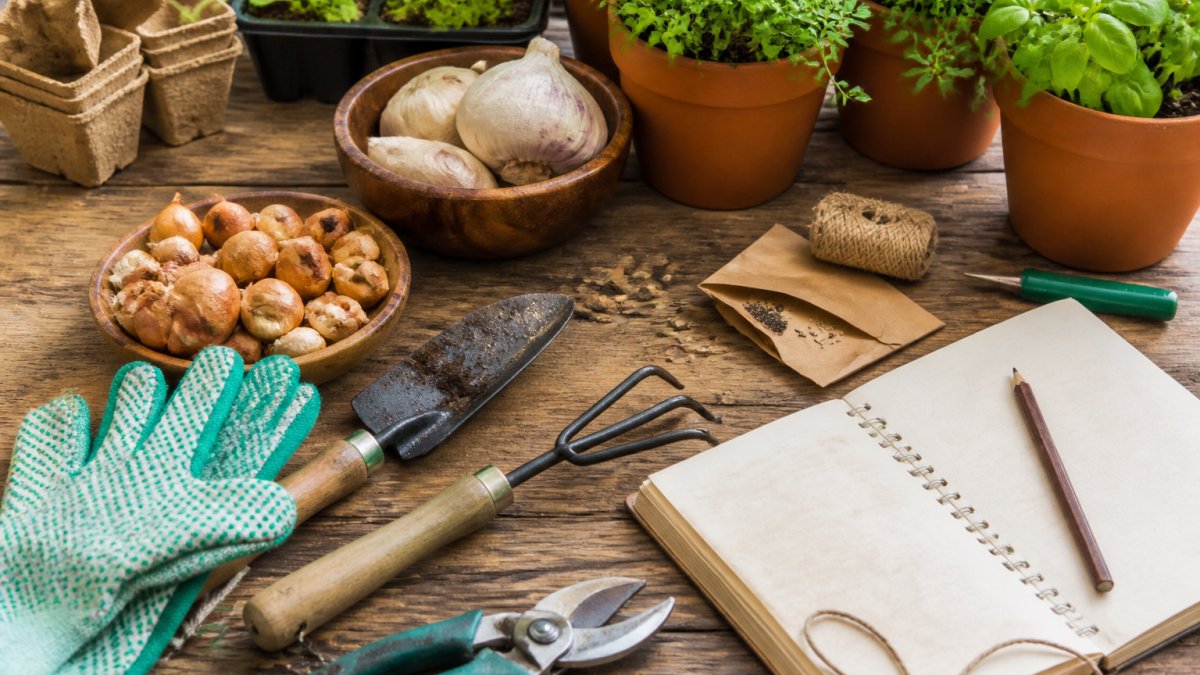
Table of Contents
- Why a Monthly Garden Tasks Approach Works for Beginners
- Building Your Monthly Gardening Checklist: The Foundation
- Your Month-by-Month Gardening Calendar: Spring Through Winter
- Vegetable Garden Watering Tips for Each Season
- Fall Garden Planting Guide for Beginners
- Common Beginner Mistakes by Month and How to Avoid Them
- Tools and Resources You'll Actually Use
- Frequently Asked Questions
Last Updated: October 21, 2026
Why a Monthly Garden Tasks Approach Works for Beginners
Starting a garden feels overwhelming when you're staring at an entire year of possibilities. The secret most guides miss: breaking your work into monthly garden tasks makes everything manageable. Instead of thinking "I need to garden," you think "This month, I do these seven things." That shift changes everything.
At Herban Root and Remedy, we've built our gardening platform around this exact principle. Monthly rhythms align with what nature actually does, not what generic advice says you should do. When you follow the seasons instead of fighting them, your plants thrive and your effort drops by half.
This approach works because it removes the guesswork. You're not wondering whether it's time to prune or if you should start seeds yet. The calendar tells you.
Building Your Monthly Gardening Checklist: The Foundation
Before you can follow a monthly garden tasks calendar, you need two critical pieces of information: where your garden sits and what your soil actually contains. Most beginners skip this step and spend months fighting against conditions they don't understand.
Site Assessment and Sunlight Mapping
Sunlight is the first thing your garden will teach you. Plants need six to eight hours of direct sun for most vegetable varieties, but your garden won't get the same light at 9 a.m. as it does at 2 p.m.
Walk your garden space at three different times of day, early morning, midday, and late afternoon. Notice where shadows fall. Mark the sunniest spots (full sun areas), the partially shaded areas (four to six hours), and the deep shade. Take photos if you can. This becomes your site assessment baseline.
This matters because shade-tolerant plants like lettuce and spinach actually prefer afternoon shade in hot climates, while heat-loving tomatoes and peppers demand full sun all day. When you know your sun patterns, you stop planting the wrong crops in the wrong spots.
Soil Testing and Preparation
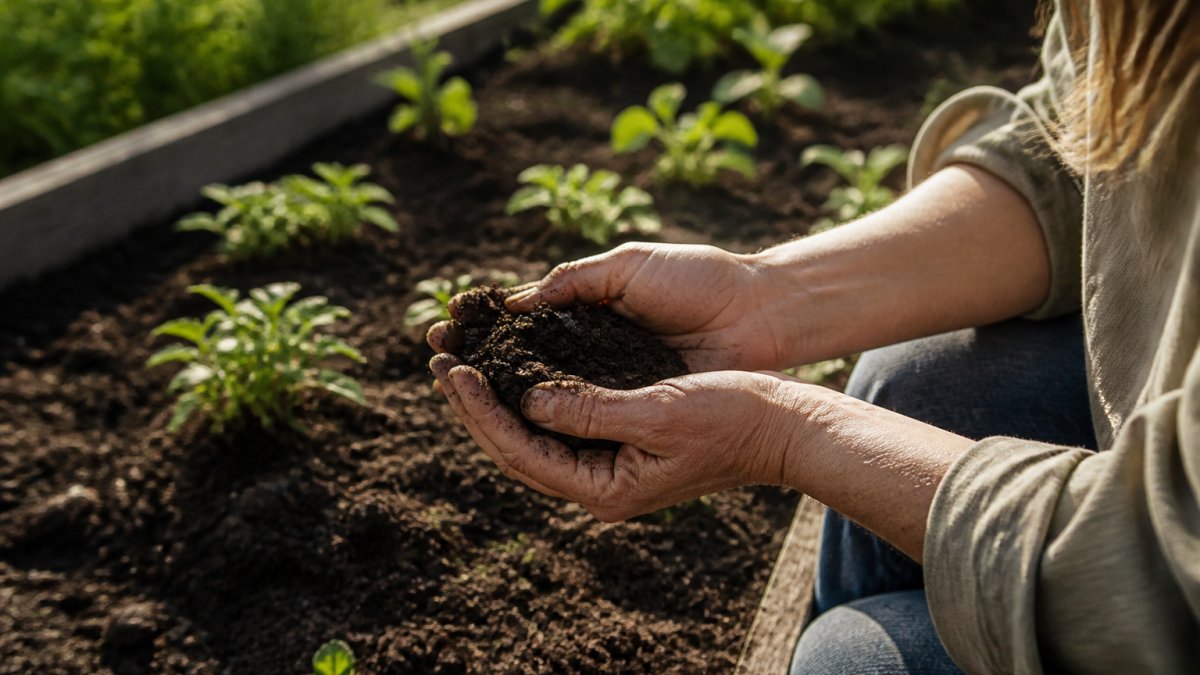
Soil testing reveals what your plants are actually working with. You can't build proper soil preparation without knowing your starting point, pH level, nutrient content, organic matter, and drainage.
Many beginners assume their soil is "fine" until plants fail. Instead, get a soil test done before your first season. Most universities and agricultural extension offices offer affordable testing. You'll learn your soil's pH, nitrogen, phosphorus, and potassium levels, the information you need to add the right amendments.
Once you have results, you can prepare your beds properly. If your soil is clay-heavy, add compost to improve drainage. If it's sandy, add organic matter to hold moisture. This foundation work in spring or fall saves you from fighting poor conditions all year.
Your Month-by-Month Gardening Calendar: Spring Through Winter
Spring Tasks: March, April, May
Spring is when most beginners make their biggest mistakes, planting too early and losing seedlings to frost. The three essential spring monthly garden tasks are soil preparation, seed starting indoors, and hardening off transplants.
In March, focus on cleaning and sharpening your tools, tidying your shed, and washing pots and trays. Order seeds now if you haven't already. Check your frost dates, this number determines everything else.
April is seed-starting month for warm-season crops like tomatoes, peppers, and basil. Start seeds indoors 6-8 weeks before your frost date. If your frost date is May 15, you'd start seeds around late March or early April.
May is hardening off time, the process of gradually introducing indoor seedlings to outdoor conditions. Start by placing them outside in a sheltered spot for 1-2 hours, then bring them back in.
Summer Tasks: June, July, August
Summer monthly garden tasks shift from planting to maintenance. Your focus moves to watering, weeding, and monitoring for pests.
June is transplanting month. Once frost danger has completely passed, move your hardened-off seedlings into the garden. Space them according to seed packet instructions, tomatoes need more room than lettuce. Water deeply after planting.
July and August are about consistency. Water deeply and less frequently rather than shallow daily watering, this encourages deep root growth. Mulch around plants to retain moisture and suppress weeds. Deadhead flowers to encourage more blooms. Check plants every few days for pest damage or disease.
This is also when you start succession planting. In mid to late summer, plant a second round of cool-season crops like lettuce, kale, and spinach for a fall harvest. These will mature as temperatures cool.
Fall Tasks: September, October, November
Fall gardening requires different thinking than spring. Your fall garden planting guide should focus on cool-season crops and soil building.
September is your second seed-starting window. Direct-sow seeds for fall crops like carrots, beets, and radishes. These need 60-90 days to mature before hard frost, so timing matters. Check how many frost-free days remain in your area and count backward from your first frost date.
October means harvesting summer crops before frost arrives and preparing beds for winter. Remove spent plants. Add compost or aged manure to empty beds, this feeds the soil over winter. Plant cover crops like clover or rye in spaces you won't use again this year.
November is cleanup and tool maintenance. Harvest remaining crops. Cut back perennials. Clean and oil your tools. Store pots and trays. Prepare your garden space for dormancy.
Winter Tasks: December, January, February
Winter monthly garden tasks are lighter, but they set up your spring success. Use this time for planning and soil building.
December through February is planning season. Review what worked and what didn't this year. Sketch next year's garden layout. Order seed catalogs. Decide which crops you want to grow. Read about new varieties.
If your soil isn't frozen, you can still add compost or aged manure to beds. Mulch heavily around perennials and garlic to protect from extreme cold. In mild climates, you can plant garlic in late October through November for spring harvest.
This is also when you sharpen tools, repair raised beds, and build new infrastructure if needed. Winter is your planning and preparation season, which makes spring execution smooth.
Vegetable Garden Watering Tips for Each Season
Watering is where most beginners either overwater (killing plants with kindness) or underwater (stressing plants through drought). The right approach changes by season.
Spring watering should be moderate. Seeds and young transplants need consistent moisture but not soggy soil. Water when the top inch of soil feels dry.
Summer watering demands depth over frequency. Water deeply 2-3 times per week rather than daily shallow sprinkling.
Fall watering decreases as temperatures cool and rainfall often increases. Water less frequently but still deeply. Cool-season crops need less water than heat-loving summer plants.
Winter watering is minimal in cold climates where plants are dormant. In mild climates where you're growing cool-season crops, water only when soil is dry several inches down.
Use mulch year-round to retain soil moisture and regulate temperature. A 2-3 inch layer around plants (not touching stems) reduces watering needs significantly.
Fall Garden Planting Guide for Beginners
Fall garden planting feels backward to beginners because you're thinking about harvest when most people think about dormancy. But fall crops often outperform spring crops because cooler temperatures reduce pest pressure and disease.
Your fall garden planting guide starts with knowing your first frost date. Count backward 60-90 days (depending on the crop) to find your planting deadline.
Best crops for fall include lettuce, spinach, arugula, kale, carrots, beets, radishes, and chard. These thrive in cool weather. Plant them in succession every two weeks for continuous harvest through fall.
Prepare beds like you would for spring, add compost, test soil if needed, clear old plant material.
Keep soil consistently moist until seedlings emerge, then water deeply but less frequently. Mulch to retain moisture as temperatures drop.
Common Beginner Mistakes by Month and How to Avoid Them
Every month brings its own pitfalls. Knowing them in advance saves your garden.
Spring mistake: Planting too early. Frost will kill tender seedlings. Solution: Know your frost date. Mark it on your calendar.
Late spring mistake: Forgetting to harden off seedlings. Transplants grown indoors are fragile. Putting them directly in full sun and wind shocks them.
Early summer mistake: Underwatering during heat waves. New transplants stress easily. Solution: Check soil moisture daily in June.
Mid-summer mistake: Letting weeds take over. They compete for water and nutrients. Solution: Mulch heavily to suppress weeds.
Late summer mistake: Forgetting to succession plant. You stop planting in July and have nothing to harvest in fall.
Fall mistake: Planting too late for fall crops. They won't have time to mature before frost.
Winter mistake: Abandoning the garden entirely. Some maintenance prevents spring problems.
Tools and Resources You'll Actually Use
You don't need expensive equipment to follow monthly garden tasks successfully.
A soil thermometer helps you know when soil is warm enough for planting. A rain gauge shows how much water your garden actually received.
Herban Root and Remedy includes seasonal guides and planting calendars that adapt to your growing zone and garden type.
Local university extension offices offer free or low-cost soil testing and gardening advice tailored to your region.
Gardening forums and local garden clubs connect you with experienced growers in your exact area. They can answer questions about your specific frost dates, soil conditions, and regional pests.
| Tool | Purpose | Cost |
|---|---|---|
| Spade | Digging and turning soil | Budget-friendly |
| Hand trowel | Planting and weeding | Budget-friendly |
| Pruning shears | Cutting stems and deadheading | Budget-friendly |
| Soil thermometer | Checking soil temperature for planting | Budget-friendly |
| Watering can or hose | Consistent watering | Budget-friendly |
| Mulch | Moisture retention and weed suppression | Budget-friendly |
| Compost | Soil amendment and fertility | Budget-friendly |
Following monthly garden tasks removes the mystery from gardening. Each month has a clear purpose, preparation, planting, maintenance, or harvest.
The real difference between gardeners who succeed and those who struggle is consistency, not talent.
Frequently Asked Questions
What are the 7 most important monthly garden tasks for beginners?
The seven core monthly tasks are: site assessment and sunlight mapping, soil testing and preparation, seed starting and transplanting, watering and moisture management, weeding and mulching, pruning and deadheading, and harvesting and maintenance. These rotate seasonally, spring focuses on planting, summer on watering and weeding, fall on planting cool-season crops, and winter on planning and tool care. Your monthly gardening checklist should reflect which tasks apply to your current season and growing zone.
How do I create a month-by-month gardening calendar for my specific climate?
Start by identifying your growing zone and local frost dates, these determine when frost danger passes in spring and returns in fall. Note your first and last frost dates, then work backward and forward from those dates to schedule seed starting (usually 6-8 weeks before transplant), transplanting (after frost danger), and fall planting (8-10 weeks before first fall frost). Track sunrise and sunset times to understand which garden spots receive six to eight hours of sun. Record this in a simple spreadsheet or garden journal, then adjust based on what you learn each year.
How often should beginners water a vegetable garden?
Most vegetable gardens need consistent moisture, typically one to two inches of water per week, delivered through rainfall or irrigation. Water deeply but less frequently to encourage deep root growth. Check soil moisture by inserting your finger two inches into the soil; if it feels dry, water. Early morning watering reduces disease and waste. Container gardens dry faster and may need daily watering in hot weather. Mulching helps retain moisture and reduces watering frequency, especially during summer heat.
When should I plant a fall garden, and what should I grow?
Plant a fall garden 8-10 weeks before your first expected frost date. Timing varies by zone: cooler zones plant in late July or early August, while warmer zones can plant through September. Cool-season crops like lettuce, kale, spinach, broccoli, and root vegetables thrive in fall conditions. Start seeds indoors or directly sow, depending on the crop. Fall gardens often require less watering and pest management than spring gardens, making them ideal for beginners gaining confidence.
What garden tasks should I focus on if I only have a small space or containers?
Small-space and container gardening requires the same monthly tasks but with adjusted scale: use containers with good drainage, quality potting soil, and regular feeding (since containers drain nutrients faster). Focus on compact vegetable varieties and herbs. Watering becomes more frequent in containers, sometimes daily in summer. Site assessment is simpler, containers move to follow sunlight. Weeding and pest management are easier in contained spaces. Mulching containers conserves water and moderates temperature. Start with herbs and salad greens to build confidence before expanding.