how-to
How to Start a Vegetable Garden for Beginners
Table of Contents
- Start with a Plan: Your First Vegetable Garden
- Vegetable Garden Layout for Beginners: Raised Beds, In-Ground, or Containers
- Prepare the Soil Before You Plant Anything
- Easy Vegetables to Grow for Beginners (and What to Skip)
- When to Plant Vegetables: Frost Dates and Your Growing Season
- Seeds vs. Transplants: What to Buy First
- Container Vegetable Gardening for Beginners: Small Spaces, Real Harvests
- Common Mistakes First-Time Gardeners Make
- Frequently Asked Questions
Last Updated: October 5, 2026
Start with a Plan: Your First Vegetable Garden
Starting a vegetable garden comes down to four decisions: where to put it, how big to make it, what to grow, and when to plant.
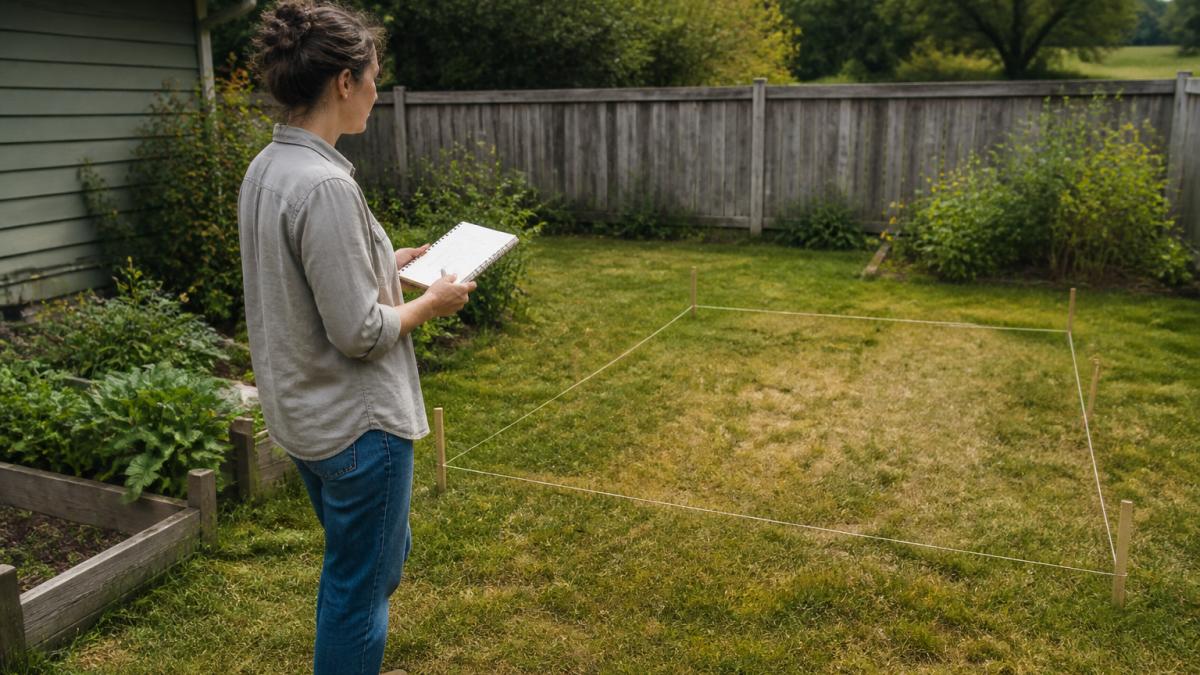
This guide walks you through each decision in order, for the total beginner with a small yard, a patio, or a sunny balcony.
The biggest mistake new growers make is planting before they plan. A few weeks of thinking now saves a summer of frustration.
Pick a Sunny Spot with Good Drainage
Most vegetables need six to eight hours of direct sun a day. Leafy crops such as lettuce and spinach manage on four, but fruiting plants like tomatoes and peppers need the full day.
Drainage matters just as much. If water pools after rain, roots rot. A simple check: dig a hole about 30cm deep, fill it with water, and see how fast it drains.
Keep It Small: A 4x4 or 4x8 Raised Bed Is Enough
A 4x4 raised bed fits four tomato plants or a full season of salad greens; a 4x8 bed feeds a small family. That surprises most beginners.
Small beds are easier to water, weed, and protect. You can reach the centre from either side without stepping on the soil. Start with one bed this year. Add a second next spring once you know what you actually eat.
Vegetable Garden Layout for Beginners: Raised Beds, In-Ground, or Containers
The right layout depends on your soil, your space, and your back.
- Raised beds: Best for poor soil, bad drainage, or limited mobility. You control the growing mix completely.
- In-ground garden: Best when your soil is already workable and you have room. Cheapest option by far.
- Containers: Best for balconies, patios, and renters. A 30cm-deep pot grows lettuce, herbs, and peppers well.
| Setup | Best For | Main Drawback |
|---|---|---|
| 4x4 raised bed | Small yards, poor soil | Upfront build cost |
| 4x8 raised bed | Feeding a family | Needs more compost |
| In-ground plot | Large space, good soil | Harder to amend |
| Containers | Balconies, renters | Dries out fast |
If your ground soil is heavy clay or pure sand, a raised bed saves you years of amending. If it is dark, crumbly, and full of worms, plant straight into it.
Prepare the Soil Before You Plant Anything
Soil quality decides your harvest more than any other factor. Vegetables pull heavy nutrients out of the ground, so before you amend, you need to know what you are starting with, and whether it is safe to grow food in.
Test First: Nutrients, pH, and Contaminants
A basic soil test tells you three things: pH, macronutrients (nitrogen, phosphorus, potassium), and organic matter. Most vegetables prefer a pH between 6.0 and 7.0.
If you are gardening in an urban yard, near older buildings, or on land that was previously industrial or orchard, add a contaminant test for lead, arsenic, and cadmium. The EPA guidance on soil contaminants outlines the screening process.
Amend with Compost, Then Adjust pH Only If Needed
Once you know your soil, amend it. Spread 5 to 8cm of finished compost over the bed and work it into the top 15 to 20cm.
Compost does three jobs at once:
- Feeds soil life that releases nutrients to plants
- Holds moisture so you water less
- Improves drainage in clay and water retention in sand
Skip synthetic fertiliser in year one; get the organic matter right and most crops will thrive. If pH is below 6.0, add garden lime at the rate on the bag, usually 1 to 2 cups per square metre, and retest in three months.
Match Your Amendment to Your Soil Type
Clay soil drains slowly and compacts when wet: work in 8 to 10cm of compost plus coarse sand or fine bark. Do not add sand alone to clay, it makes brick.
If your ground soil is heavy clay or pure sand, a raised bed saves you years of amending. If it is dark, crumbly, and full of worms, plant straight into it.
Easy Vegetables to Grow for Beginners (and What to Skip)
The easiest vegetables to grow for beginners are radishes, lettuce, green beans, zucchini, and cherry tomatoes. They germinate fast, tolerate mistakes, and harvest in weeks, not months.
- Radishes: Ready in 25 to 30 days. Almost impossible to fail.
- Lettuce: Cut-and-come-again leaves for months.
- Green beans: Fix their own nitrogen and produce heavily.
- Zucchini: Two plants will feed a whole street.
- Cherry tomatoes: More forgiving than large tomatoes and far more productive.
Skip these in year one: cauliflower, celery, and large watermelon, they need precise watering, long seasons, and pest control that takes practice. Also skip anything your household will not eat; a perfect crop nobody wants still wastes a bed.
When to Plant Vegetables: Frost Dates and Your Growing Season
Planting dates hinge on two numbers: your last spring frost and your first fall frost.
Find your dates through your regional extension service or a local planting calendar. The National Weather Service frost data publishes historical frost dates by region.
Then group your crops:
- Frost-hardy: peas, spinach, kale, radishes. Plant 3 to 4 weeks before last frost.
- Tender: beans, corn, zucchini. Plant after last frost.
- Heat-loving: tomatoes, peppers, basil. Wait two weeks after last frost.
If you garden on a balcony, your microclimate runs warmer than the ground. Your last frost may come a week or two earlier than the regional date.
Seeds vs. Transplants: What to Buy First
Buy transplants for tomatoes, peppers, and eggplant; buy seeds for radishes, lettuce, beans, carrots, and zucchini.
Transplants cost more but give slow growers a six-week head start; seeds cost a fraction per plant and offer hundreds of varieties.
If you do start seeds indoors, you need:
- Seed starting trays with drainage holes
- A light, sterile potting mix, not garden soil
- A bright window or a grow light
- 6 to 8 weeks before your last frost date
Sow seeds at two to three times their own depth. Space seedlings according to the packet, because crowded plants compete for light and water.
Container Vegetable Gardening for Beginners: Small Spaces, Real Harvests
Container vegetable gardening for beginners works if you match the pot to the plant. A 30cm-deep pot grows lettuce, herbs, and peppers.
Use potting mix, not garden soil, which compacts in pots and suffocates roots. Check drainage holes before you fill anything.
Watering is the real challenge. Containers dry out fast, sometimes twice a day in midsummer. Mulch the surface with straw to slow evaporation.
Common Mistakes First-Time Gardeners Make
The same handful of mistakes sink most first gardens. The fix is knowing what to do instead, week by week, and how to read the plant when something goes wrong.
The First-Season Care Rhythm
Once plants are in the ground, your job settles into a weekly loop:
- Water deeply two to three times a week. Aim for 2.5cm per week, including rain; a tuna can set in the bed is a free rain gauge. Shallow daily watering trains roots to stay near the surface, where they dry out fast.
- Check leaf undersides every week. Most pests, aphids, whiteflies, spider mites, cabbage worms, hide there first. Catching them at low numbers means you never need a spray.
- Mulch bare soil. A 5 to 8cm layer of straw, shredded leaves, or grass clippings (unsprayed) cuts evaporation by roughly half and smothers weed seeds before they sprout.
- Feed lightly every two to three weeks. Compost tea or diluted organic fertiliser keeps containers and heavy feeders (tomatoes, zucchini, corn) producing; in-ground beds with good compost often need nothing extra in year one.
- Harvest small and often. Zucchini and beans turn tough fast. Pick every two to three days. Lettuce and kale can be cut-and-come-again for months if you take outer leaves only.
Symptom-to-Solution: Reading Your Plants
Plants tell you what is wrong before they die. Match the symptom to the likely cause and act within a week.
- Yellow leaves, starting from the bottom. Usually too much water or a nitrogen gap. Check drainage first, if the soil is soggy, stop watering for a week. If it is dry, side-dress with compost or a diluted fish emulsion.
- Yellow leaves between the veins, new growth first. Often iron or magnesium deficiency, common in alkaline soil. Diluted Epsom salts (1 tablespoon per litre) green them up temporarily, but the real fix is lowering pH or choosing tolerant crops.
- Brown, crispy leaf edges. Inconsistent watering, dry spells followed by heavy soakings. Mulch and a steadier schedule fix it.
- Holes in leaves, chewed edges. Caterpillars, slugs, or beetles. Handpick at dusk, set beer traps for slugs, or drape a row cover over brassicas to block cabbage moths without any spray.
- Stunted plants with pale leaves and poor fruit set. Likely phosphorus deficiency or cold soil. Wait for soil to warm past 10°C before planting tender crops, and add bone meal or rock phosphate at planting.
The Mistakes That Actually Cost You a Harvest
- Planting too much. A 4x4 bed is plenty for year one. A second bed next spring beats a neglected first one.
- Watering shallowly and often. Deep, less frequent watering builds strong roots.
- Skipping mulch. Bare soil loses moisture and grows weeds.
- Ignoring pests until damage is severe. Check leaf undersides weekly.
- Harvesting too late. Pick small and often.
Frequently Asked Questions
What is the easiest vegetable to grow for a beginner?
Radishes, lettuce, and bush beans top the list for most new gardeners. Radishes germinate in days and are ready to harvest in under a month, which gives you a fast win. Lettuce grows well in cool weather and can be cut repeatedly. Bush beans need no staking and fix nitrogen in the soil. All three tolerate imperfect soil and recover quickly from missed watering. Start with two or three of these before adding tomatoes or peppers, which need more attention.
What is the most common mistake of first-time gardeners?
Planting too much, too close together, too early. Overcrowded plants compete for sunlight and nutrients, and early planting in cold soil stalls seeds or kills seedlings. A 4x4 raised bed with proper spacing will outproduce a sprawling, crowded plot every time. Check your local frost date before sowing, follow the spacing on the seed packet, and resist the urge to fill every square inch in your first season.
How do you prepare soil for a beginner vegetable garden?
Start with a soil test through your local extension office or a home test kit to check pH and nutrient levels. Most vegetables prefer a pH between 6.0 and 7.0. Mix in 5 to 8 centimetres of finished compost to improve drainage and add organic matter. If you are using raised beds, fill them with a blend of topsoil and compost rather than garden soil alone. Avoid chemical fertilizers in your first year; compost usually provides enough to get started.
How often should you water a vegetable garden?
Most vegetable gardens need 2.5 to 4 centimetres of water per week, including rainfall. Water deeply two or three times a week rather than lightly every day, which encourages shallow roots. Check moisture by pushing a finger 5 centimetres into the soil; if it feels dry, water. Morning watering reduces evaporation and leaf disease. Mulch around plants to hold moisture and cut down on weeds.