ultimate-guide
Seasonal Guides & Planting Calendars for Natural Foods
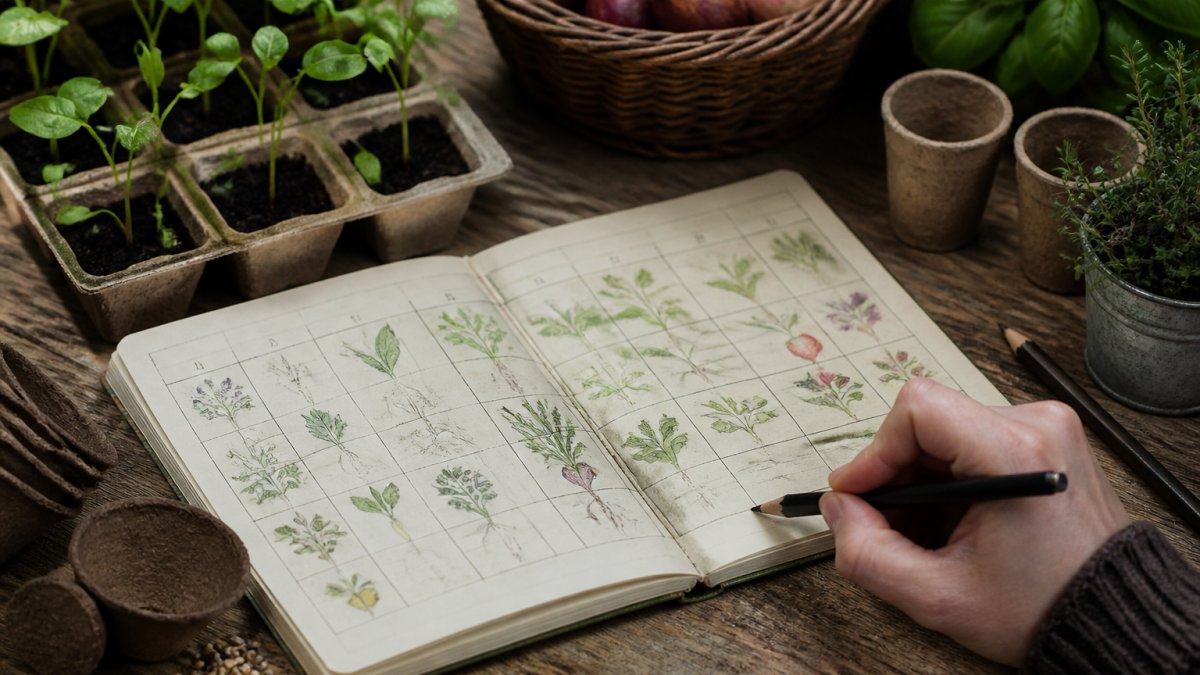
Table of Contents
- Why Seasonal Guides and Planting Calendars Matter for Year-Round Food Production
- Understanding Your Local Climate and Growing Season
- Building Your Vegetable Planting Calendar by Month
- What to Plant Each Season: Vegetables, Fruits, Herbs, and Foraged Foods
- Succession Planting Schedule for Continuous Harvests
- Growing and Preserving Seasonal Foods Year-Round
- Adapting Your Planting Calendar to Your Space and Experience Level
- Frequently Asked Questions
Last Updated: October 9, 2026
Why Seasonal Guides and Planting Calendars Matter for Year-Round Food Production
Using seasonal guides planting calendars transforms gardening from guesswork into a practical system. You stop wondering when to plant and start knowing exactly what your garden needs each month.
At Herban Root and Remedy, we've built our entire approach around seasonal rhythms.
Most gardeners discover this the hard way: they plant too early, lose seedlings to frost, or miss the ideal window for succession planting. A solid planting calendar prevents these costly mistakes.
Understanding Your Local Climate and Growing Season
Your growing season is the period between your last spring frost and your first fall frost. Everything else, every planting date, every harvest window, flows from these two dates. Without knowing them, you're essentially gardening blind.
Finding Your Frost Dates and Climate Zone
Your frost dates are non-negotiable starting points. The last spring frost is when tender plants can safely go in the ground outdoors. The first fall frost marks the end of the season for warm-season crops.
Find your exact dates through the USDA hardiness zone map or your local agricultural extension office. Many regions also have microclimates: a low-lying valley might frost two weeks earlier than a hilltop just miles away.
Once you know your frost dates, use them to calculate backward and forward.
Using Natural Signals to Time Your Garden Tasks
Before thermometers and calendars, gardeners watched the land. Certain plants flower, leaves unfold, or animals behave in ways that signal garden readiness.
When oak leaves reach the size of a squirrel's ear, soil has warmed enough for tender crops. When lilacs bloom, it's safe to plant frost-sensitive plants. When certain weeds emerge, others are ready to plant.
Keep notes on what you observe each year. Record when specific plants flower, when you see certain insects, when the soil feels workable.
Building Your Vegetable Planting Calendar by Month
A month-by-month vegetable planting calendar gives you a concrete roadmap. It shows what to start indoors, what to direct-sow, what to transplant, and what to harvest. The calendar shifts based on your climate, but the structure stays the same.
Spring Planting: Starting Seeds Indoors and Outdoors
Spring is split into two phases: early spring (while frost risk remains) and late spring (after frost danger passes). This distinction shapes everything.
Early spring, 6 to 8 weeks before your last frost date, is when you start seeds indoors for warm-season crops like tomatoes, peppers, and eggplants.
Meanwhile, direct-sow cold-hardy crops outdoors as soon as soil is workable: peas, spinach, lettuce, kale, and root crops like carrots and beets.
As your last frost date approaches, harden off indoor seedlings, gradually expose them to outdoor conditions over 7 to 10 days.
Summer and Fall Succession Planting
Summer isn't just about tending spring plantings, it's about starting the next cycle. Succession planting means sowing the same crop every 2 to 3 weeks so you harvest continuously rather than all at once.
For lettuce, spinach, and other fast-growing greens, sow new seeds every 2 weeks from spring through early fall. This keeps fresh salad greens coming without overwhelming harvests.
Fall crops are planted in midsummer, when temperatures are at their hottest. This feels counterintuitive, you're planting for cool-season harvest while the sun is blazing.
What to Plant Each Season: Vegetables, Fruits, Herbs, and Foraged Foods
Every season has its own cast of plants. Knowing what thrives in each season is what allows you to build seasonal guides planting calendars that actually work for your household.
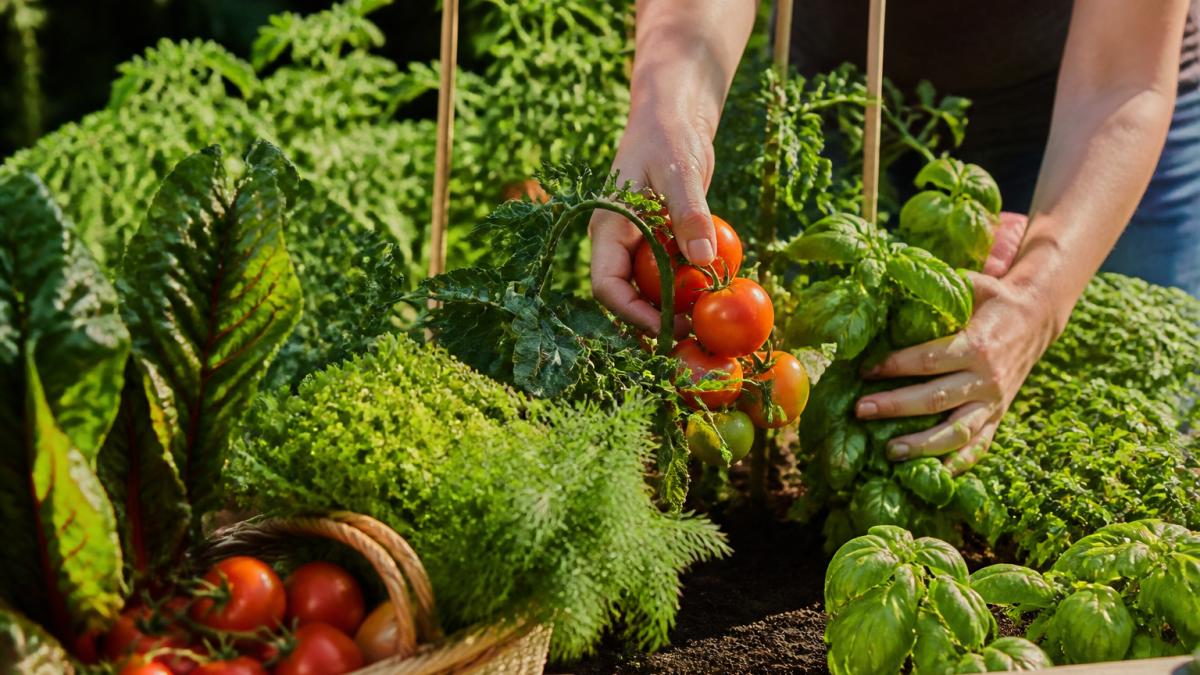
Seasonal Vegetables and Fruits for Each Month
Spring (April-May): Cool-season crops dominate. Peas, lettuce, spinach, arugula, radishes, carrots, beets, chard, kale, and broccoli transplants. Early potatoes go in as soon as soil is workable.
Summer (June-August): Warm-season crops peak. Tomatoes, peppers, eggplants, beans, squash, cucumbers, corn, and basil produce heavily. Melons ripen. Berries (blueberries, raspberries) reach peak harvest.
Fall (September-October): A second spring happens. Fall-planted brassicas (broccoli, cabbage, kale) mature. Lettuce and greens thrive again in cooling weather.
Winter (November-March): In most climates, this is dormant season. But cold-hardy greens (kale, mâche, winter lettuce under row covers) keep producing.
Seasonal Herbs and Edible Plants
Herbs follow their own timeline. Tender herbs like basil, cilantro, and parsley are planted after frost danger passes and thrive in summer heat.
Perennial herbs, asparagus, rhubarb, artichokes, and berry bushes, are long-term investments. They're especially valuable because they produce before annual vegetables are ready and continue after frost ends the season. (Source: National Institute of Food and Agriculture (NIFA) Extension)
Edible flowers like nasturtiums, calendula, and borage add nutrition and beauty. Many self-seed, appearing year after year with minimal effort. Microgreens and sprouts grown indoors provide fresh nutrition in winter when outdoor gardens are dormant.
Wild Foods and Foraging Throughout the Year
Foraging extends your seasonal calendar beyond the garden. Different wild plants peak at different times, and knowing when to harvest them adds depth to year-round food production.
Spring brings ramps, fiddlehead ferns, wild greens, and tender shoots. Summer offers berries, mushrooms, and leafy plants. Fall brings nuts, seeds, and root vegetables from wild plants.
Responsible foraging requires knowledge. Learn plants thoroughly before harvesting. Never take the entire population of a wild plant, leave enough to regenerate. Respect private property and protected areas.
Succession Planting Schedule for Continuous Harvests
Succession planting is the difference between feast and famine. Instead of planting everything at once, you stagger plantings so harvests overlap and extend.
The schedule depends on your crop's maturity date. Lettuce matures in 45 days, so sow every 2 weeks for continuous harvest.
Start with one crop and track how long it actually takes from seed to harvest in your garden. Every garden is different, soil quality, sunlight, and weather affect timing.
For fall crops, work backward from your first frost date.
Growing and Preserving Seasonal Foods Year-Round
A planting calendar is only half the equation. The other half is preservation, capturing seasonal abundance so you eat well all year.
Harvest Timing and Storage Methods
Harvest timing affects both flavor and storage potential. Tomatoes picked fully ripe taste best eaten fresh but spoil quickly. Tomatoes picked at the breaker stage (first blush of color) ripen at home and store longer.
Leafy greens and herbs are best harvested in morning after dew dries but before heat stresses plants.
Different crops store differently. Root crops keep for months in cool, dark, humid conditions. Winter squash stores in a cool room for weeks to months.
Food Preservation Techniques for Each Season
Spring abundance, early greens, peas, asparagus, is best frozen or dried. Freezing preserves flavor and nutrition better than most methods and requires minimal equipment.
Summer abundance, tomatoes, peppers, beans, berries, is preserved through canning, freezing, and drying. Tomato sauce, salsa, and pickled vegetables are traditional summer projects. Berries freeze beautifully or become jam.
Fall crops, root vegetables, winter squash, brassicas, store fresh in cool conditions or are preserved through fermentation, root cellaring, or freezing.
Winter is when you rely on preserved foods.
Adapting Your Planting Calendar to Your Space and Experience Level
Not every gardener has a quarter-acre plot. Not every gardener is starting from scratch. A good seasonal guide adapts to your reality.
Container and Balcony Gardening Schedules
Container gardening follows the same seasonal principles as in-ground gardens, but with adjustments.
Choose containers large enough for root depth: 5 gallons minimum for tomatoes and peppers, 12 inches deep for lettuce and greens, 18+ inches for root crops. Use quality potting soil, not garden soil, which compacts in containers.
Balcony gardens are limited by space and light. Focus on high-yield crops: herbs, leafy greens, cherry tomatoes, peppers, and beans in containers. Succession plant greens and herbs every 2 weeks for continuous harvest.
Organic and Regenerative Growing Practices
Chemical-free growing is built into seasonal planning. Crop rotation prevents pest and disease buildup, don't plant the same family in the same spot year after year.
Regenerative practices go further: building soil biology, increasing biodiversity, and healing the land while you grow food.
These practices take time to establish but pay dividends. Soil improves each year. Pest and disease pressure decreases. Yields increase.
Building a personal growing roadmap means understanding your climate, knowing what thrives in each season, and timing your plantings to create continuous harvests.
Frequently Asked Questions
How do I find the right planting calendar and seasonal guides for my specific climate zone?
Start by identifying your local frost dates and hardiness zone, which determine when it's safe to plant outdoors in spring and when the first fall frost arrives. These dates vary significantly by region and even within small areas. Once you know your zone, a location-aware seasonal guide shows you exactly when to start seeds indoors, transplant seedlings, and direct sow outdoors. Many resources organize planting calendars by month and include regional adjustments so you can adapt general guidance to your specific growing season.
What vegetables can I plant in each season, and how does a vegetable planting calendar by month help me plan?
Cool-season crops like lettuce, spinach, peas, and broccoli thrive in spring and fall. Warm-season vegetables such as tomatoes, peppers, beans, and squash need warm soil in summer. A vegetable planting calendar by month shows which crops to start indoors in late winter, which to transplant in spring, and which to succession plant throughout summer for fall harvests. This month-by-month roadmap eliminates guesswork and ensures you're planting at the right time for your climate, maximizing yields and reducing failure.
How does succession planting schedule help me grow food continuously throughout the year?
Succession planting means sowing the same crop every 2-3 weeks instead of all at once, spreading harvests over months rather than getting everything ripe simultaneously. For example, planting lettuce every three weeks from spring through early fall gives you salad greens constantly instead of one overwhelming harvest. A succession planting schedule shows you exactly when to sow each round, accounting for your local growing season and frost dates. This approach transforms your garden into a year-round food source and reduces waste from overripe or spoiled produce.
How can I preserve seasonal foods so I can eat what I grow throughout the year?
Growing and preserving seasonal foods together creates a complete food system. Spring and summer harvests can be frozen, canned, or dried for winter use. Root vegetables store naturally in cool conditions. Herbs dry or freeze for year-round cooking. A seasonal guide that includes both growing timelines and preservation methods helps you plan what to grow based on how you'll preserve it. This integrated approach ensures your preserved foods align with your family's actual eating patterns and dietary needs.
Can I use seasonal guides and planting calendars if I only have a small balcony or container garden?
Yes. Container and balcony gardens follow the same seasonal timing as in-ground gardens, but with crops chosen for smaller spaces. Lettuce, herbs, cherry tomatoes, peppers, and beans grow well in containers. Your planting calendar remains the same, you still follow frost dates and seasonal growing windows, but you select varieties bred for containers and manage soil moisture more carefully. Many seasonal guides include specific recommendations for small spaces, making year-round growing possible even in apartments or on patios.
How do I know when to start seeds indoors versus planting them directly outdoors?
Different crops have different timing. Cool-season crops like lettuce are often direct sown outdoors in early spring. Warm-season crops like tomatoes and peppers need to be started indoors 6-8 weeks before your last spring frost so they're established seedlings ready to transplant when soil warms. A seasonal guide shows you the exact timing for each crop in your region, accounting for your local frost dates. This prevents you from starting seeds too early (when they outgrow their containers) or too late (missing the growing season).
What role do natural signals and seasonal practices play in timing my garden work?
Traditional gardeners used natural indicators like leaf emergence on native trees, soil temperature, and weather patterns to time planting instead of relying on calendars alone. Observing when certain trees leaf out or when soil is workable by feel adds a layer of confidence to your planting schedule. Combining these natural signals with your seasonal guide creates a more flexible, responsive approach that accounts for unusual weather patterns. This blend of traditional observation and modern seasonal guides helps you adapt to your specific year rather than following a rigid calendar.