listicle
Low Carb Chicken Casserole Dinner Ideas
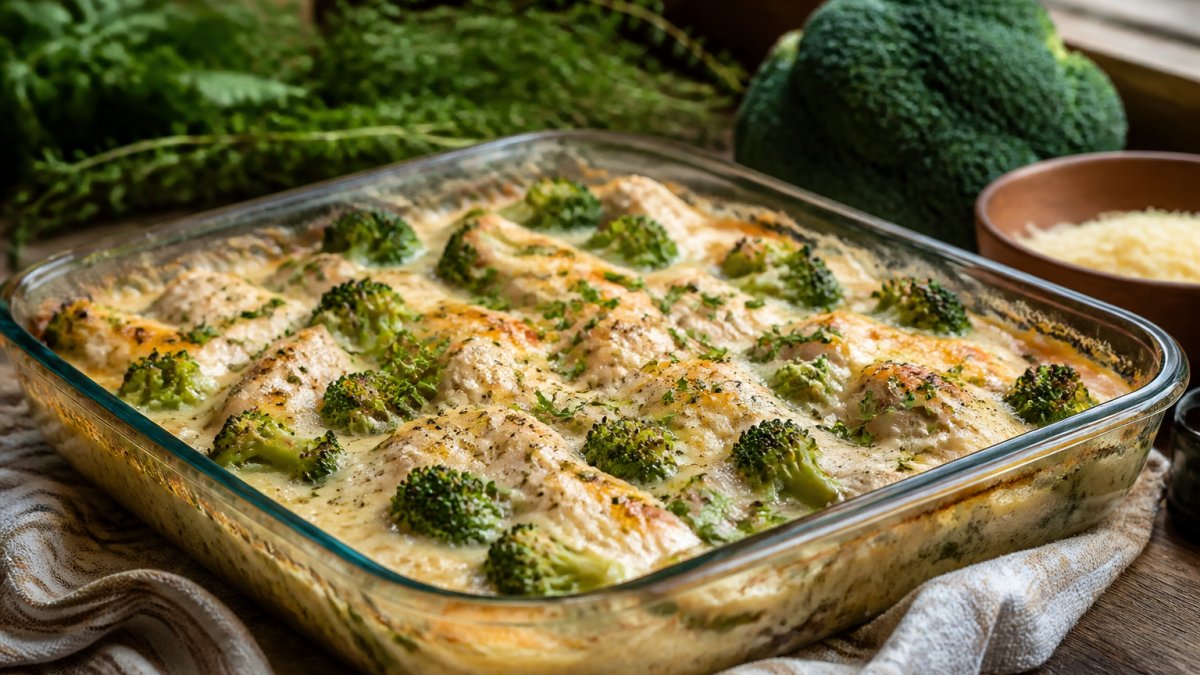
Table of Contents
- Why Low Carb Chicken Casseroles Work for Homesteaders
- Keto Chicken Broccoli Casserole: The Classic Foundation
- Low Carb Chicken Taco Casserole for Family Dinners
- Low Carb Chicken Vegetable Casserole Variations
- Leftover Chicken Dinner Ideas: From Roasted to Casserole
- Preventing Dry Casseroles: Moisture and Texture Techniques
- Freezer-Friendly Prep and Batch Cooking
- Frequently Asked Questions
Last Updated: October 14, 2026
Why Low Carb Chicken Casseroles Work for Homesteaders
A low carb chicken casserole offers homesteaders something precious: a one-dish meal built from whole foods you've grown or raised yourself. No processed seasonings, no mystery ingredients, just chicken, vegetables, cheese, and cream combined in ways that nourish your family without the blood sugar crashes that come from grain-heavy comfort food. (Source: the nutritional benefits of low-carbohydrate diets)
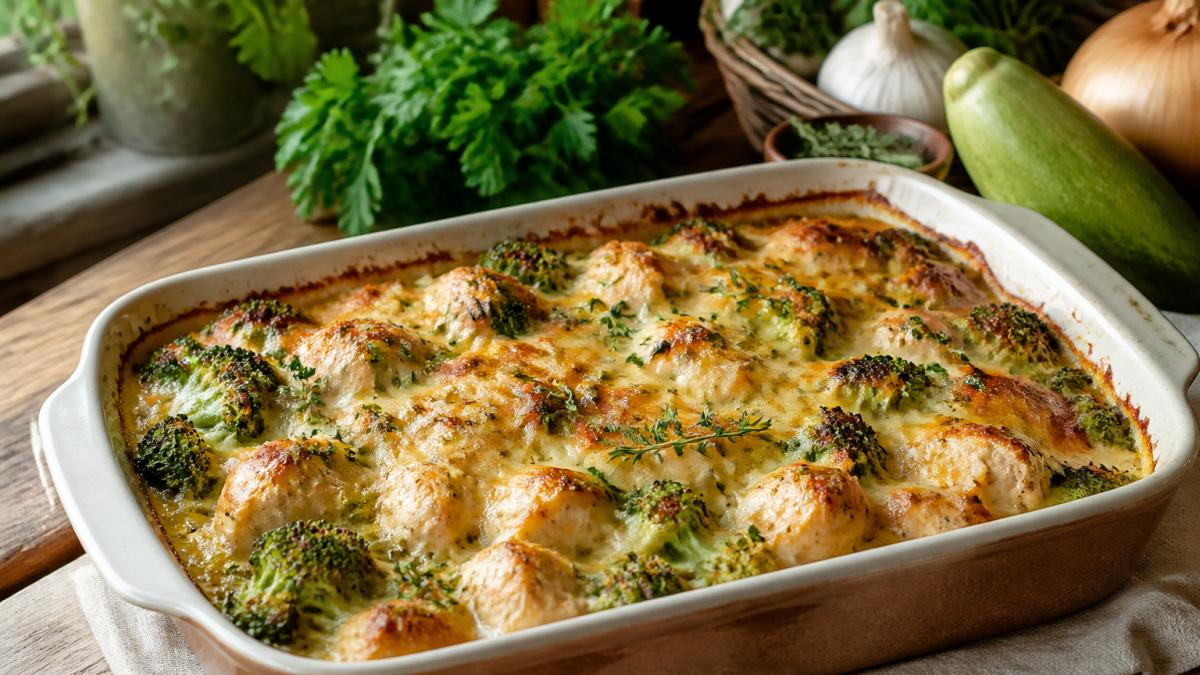
For those managing a small homestead or garden, casseroles solve a real problem. You harvest broccoli, spinach, or other low-carb vegetables and need to use them quickly. You have leftover cooked chicken from last night's dinner.
The beauty of building casseroles from scratch is control. You decide what goes in. You know exactly what your family is eating. That matters when you're trying to eliminate chemicals and processed additives from your diet. It matters even more when you're feeding children or managing specific health goals.
At Herban Root and Remedy, we understand that homesteaders don't want random recipes pulled from the internet. You want guidance rooted in real whole-foods cooking, the kind of knowledge that comes from working with what the land actually gives you, season by season.
Keto Chicken Broccoli Casserole: The Classic Foundation
The keto chicken broccoli casserole remains the foundation for a reason. Broccoli florets hold their texture in the oven, absorb sauce without becoming waterlogged, and pair naturally with cheese and cream. This combination works whether you're cooking for strict keto adherents or simply feeding a family that prefers fewer carbs.
Building a Creamy Cheese Base
Start with real ingredients: heavy cream, full-fat cheese, and butter. Avoid cream-of-anything soups from a can, they contain additives and thickeners that have no place in a from-scratch kitchen. Instead, make your sauce by melting butter, whisking in cream, and stirring in grated cheese until it's smooth and pourable.
The ratio matters. Too much cream and your casserole becomes soup. Too little and it dries out in the oven. A good starting point is one cup of heavy cream combined with four ounces of cheese (cheddar, gruyere, or a mix) for every two cups of cooked chicken. Taste as you go and adjust the seasoning with salt, pepper, and any herbs you have dried or fresh, thyme, oregano, or rosemary all work beautifully.
Some homesteaders add a tablespoon or two of Dijon mustard to the sauce base. It brightens the flavor without adding carbs and creates complexity that tastes like you spent hours on this dish when you actually spent twenty minutes.
Preparing Your Chicken and Vegetables
Use chicken you've cooked yourself. Roasted chicken, poached chicken, or chicken simmered in broth, all work equally well. Shred it into bite-sized pieces. If you're using a rotisserie chicken from the store, that's fine too; just make sure you're choosing one without added sugars or mystery seasonings in the skin.
For broccoli, cut florets into roughly two-inch pieces. Toss them with a little olive oil, salt, and pepper before layering into the baking dish. This step prevents them from releasing excess moisture that would dilute your sauce. Some cooks blanch broccoli briefly before assembling the casserole; others skip this step. Either approach works, blanching gives you slightly softer broccoli, while raw broccoli stays firmer and more textured.
Layer half your broccoli in a buttered baking dish, add half your chicken, then half your sauce. Repeat. Top with a handful of grated cheese if you want a browned, crusty top. Bake at 375°F for about 25 minutes, until the sauce is bubbling at the edges and the top is golden.
Low Carb Chicken Taco Casserole for Family Dinners
A low carb chicken taco casserole brings the flavors families love, the warmth of cumin, the brightness of lime, the richness of cheese, without the grain-based shells or tortillas. This version layers shredded chicken seasoned with spices, cheese, peppers, and a sauce base that holds everything together.
Layering Flavors Without Processed Seasonings
Make your own taco seasoning from whole spices. Combine ground cumin, chili powder, garlic powder, onion powder, oregano, and a pinch of cayenne. Mix these into your chicken with a splash of lime juice and a little broth or cream to create a cohesive filling.
Layer your seasoned chicken with shredded cheese (cheddar or a Mexican blend), diced bell peppers, and diced jalapeños if your family enjoys heat. Some homesteaders add a layer of cauliflower rice for extra volume and texture.
For the binding sauce, use a simple combination: heavy cream mixed with a small amount of tomato paste (not sauce, paste has fewer additives and less added sugar), seasoned with the same spices you used for the chicken. This creates a cohesive casserole that holds together without becoming dry.
Bake at 375°F for 20-25 minutes, until the cheese melts and the edges bubble. Serve with fresh cilantro, lime wedges, and avocado on the side, fresh toppings that add brightness and nutrition without adding carbs.
Low Carb Chicken Vegetable Casserole Variations
Once you understand the basic structure, protein, vegetables, sauce, cheese, you can build low carb chicken vegetable casserole versions around whatever you have available. The principle stays the same: choose vegetables that won't release excess moisture, build a sauce that complements them, and let the oven do the work.
Choosing Vegetables That Won't Release Excess Moisture
Not all vegetables behave the same way in a hot oven. Broccoli, cauliflower, bell peppers, zucchini, and spinach all work well. Mushrooms are excellent, they add umami depth and hold their texture. Asparagus works if cut into two-inch pieces. Avoid watery vegetables like tomatoes (unless you're using them as a sauce component), cucumber, or summer squash that hasn't been salted and drained first.
If you're using zucchini, slice it and salt it generously 15 minutes before assembling your casserole. The salt draws out moisture; pat the slices dry before layering. This step prevents your casserole from becoming soupy. (Source: guidelines for safe food handling and storage)
For spinach, use it fresh or thawed and squeezed dry. Fresh spinach wilts dramatically in the oven and adds almost no moisture if you haven't overdone the sauce. Frozen spinach works too, just thaw it completely and press it hard in a fine-mesh strainer to remove as much liquid as possible.
Tuscan, Italian, and Mediterranean Approaches
A Tuscan-inspired low carb chicken vegetable casserole combines chicken with spinach, sun-dried tomatoes, pine nuts, and a cream sauce flavored with garlic and Italian herbs. Layer these ingredients as you would in the broccoli version. The sun-dried tomatoes add tang and richness without the wateriness of fresh tomatoes.
An Italian approach might use chicken, zucchini, bell peppers, fresh basil, mozzarella, and a sauce made from heavy cream with garlic and oregano. Some homesteaders add a layer of pesto between the chicken and vegetables for brightness and depth.
Mediterranean versions often feature chicken with asparagus, olives, artichoke hearts, and feta cheese, bound with a cream sauce or olive oil-based sauce with lemon and oregano. These casseroles feel lighter than cream-based versions while still being deeply satisfying.
Leftover Chicken Dinner Ideas: From Roasted to Casserole
Using Rotisserie, Cooked, or Shredded Chicken
A low carb chicken casserole is the perfect destination for leftover chicken. If you roasted a chicken for Sunday dinner, shred what remains on Monday and build a casserole for Tuesday. If you poached chicken breasts for meal prep, use them this way.
Rotisserie chicken works beautifully too. The meat is already seasoned, tender, and ready to layer. Just be mindful of the skin, some people include it for extra fat and flavor, others remove it. Either choice is fine; it's a matter of preference and texture.
The advantage of using cooked chicken is speed. You're not waiting for raw chicken to cook through in the oven. Your casserole can be assembled and baked in under an hour from start to finish, which matters when you're juggling homestead chores and family meals.
Timing and Storage for Make-Ahead Meals
Assemble your casserole the night before, cover it, and refrigerate it. Bake it the next day, no thawing required. Add five to ten minutes to your baking time since you're starting from cold. This approach lets you do the prep work when you have mental space and energy, then simply pop the casserole in the oven when dinner time arrives.
Leftover casserole keeps well. Store it covered in the refrigerator for up to three days. Reheat it gently in a 325°F oven until warmed through, about 15 minutes. You can also freeze assembled casseroles before baking. Thaw overnight in the refrigerator, then bake as directed.
Preventing Dry Casseroles: Moisture and Texture Techniques
The most common complaint about casseroles is dryness. This happens when the sauce evaporates faster than the vegetables release their moisture, or when the casserole sits in the oven too long. A few techniques prevent this.
First, don't overbake. Most low carb chicken casserole recipes finish in 20-30 minutes at 375°F. The casserole is done when the sauce bubbles at the edges and the top is golden.
Second, ensure your sauce is actually saucy. It should be pourable before it goes in the oven, not thick or pasty.
Third, cover your casserole with foil for the first 15-20 minutes of baking, then uncover it to brown the top. This keeps the interior moist while allowing the top to develop color and texture.
Finally, let your casserole rest for five minutes after it comes out of the oven. This allows the sauce to set slightly, making it easier to serve and giving everything time to finish cooking gently with residual heat.
Freezer-Friendly Prep and Batch Cooking
One of the greatest gifts you can give yourself as a homesteader is a freezer full of casseroles. Assemble several at once, freeze them unbaked, and you have dinner solutions waiting whenever you need them.
Assemble your casserole in a freezer-safe baking dish. Cover it tightly with plastic wrap, then foil. Label it with the contents and date. Frozen casseroles keep well for up to three months.
Some homesteaders prepare components separately and freeze them, then assemble the casserole fresh. You might cook and shred chicken, blanch and freeze broccoli florets, and make sauce in ice-cube trays.
Batch cooking casseroles during harvest season or when you have extra time means you're always prepared. On nights when the garden demands attention or unexpected guests arrive, you have a complete, nourishing meal ready to bake.
Frequently Asked Questions
What makes a low carb chicken casserole different from a regular casserole?
A low carb chicken casserole replaces high-carb fillers like rice, pasta, or breadcrumbs with vegetables such as broccoli, cauliflower rice, or zucchini, and uses full-fat dairy like cream cheese and cheese instead of condensed soups. This approach keeps carbohydrates minimal while maintaining the comfort-food appeal of a traditional casserole. For homesteaders, this means using whole foods you've grown or sourced yourself rather than processed ingredients.
How do I keep a low carb chicken casserole moist and tender?
Moisture comes from your sauce, not the chicken itself. Use generous amounts of cream cheese, sour cream, or mayonnaise mixed with broth or heavy cream. Don't overcook the chicken before baking, shredded or cubed raw chicken will absorb sauce as it cooks. Cover the casserole for the first 20-30 minutes of baking, then uncover to brown the top. If using leftover cooked chicken, add it near the end to prevent drying.
Can I prepare a low carb chicken casserole ahead of time or freeze it?
Yes. Assemble the casserole in a freezer-safe dish, cover tightly, and freeze for up to three months. Thaw overnight in the refrigerator before baking, or bake from frozen and add 15-20 minutes to the cooking time. You can also prepare and refrigerate it up to 24 hours before baking. Make-ahead casseroles are ideal for batch cooking and meal planning, especially for busy homesteading families.
What vegetables work best in a low carb chicken vegetable casserole?
Choose vegetables with lower water content and mild flavors that won't compete with the creamy sauce: broccoli florets, cauliflower, spinach, zucchini, bell peppers, and asparagus are excellent choices. Avoid watery vegetables like tomatoes or mushrooms unless you drain them well. Pre-cook denser vegetables like cauliflower slightly so they soften evenly during baking. For a from-scratch approach, use fresh vegetables from your garden at peak ripeness.