how-to
7 Harvesting Habits That Boost Your Vegetable Yields
Last Updated: November 14, 2026
Quick Summary
To harvest vegetables for better yields, pick ripe produce often, since many plants keep producing when you keep picking and slow down when fruit is left to overripen. Harvest in the early morning, cut rather than pull, and use the crop-specific maturity signs for each plant.
- Check crops every day or two in peak season, because a plant ready on Monday can be overripe by Friday.
- Pick tomatoes, eggplants and peppers as they ripen to encourage more fruit.
- Harvest in the early morning after dew dries, avoiding the hot afternoon sun.
- Use clean, sharp pruners and cut rather than pull to avoid damaging plants.
- Pinch basil just above a pair of leaves and never take more than about a third of the plant at once.
Table of Contents
- Why How You Harvest Changes How Much You Get
- When to Harvest Vegetables: Maturity Signs by Crop
- The Best Time of Day to Harvest
- How to Pick Without Damaging Your Plants
- How to Harvest Spinach and Basil So They Keep Regrowing
- Harvesting Fruiting and Root Crops
- Handling and Storing Vegetables After Harvest
- Start Your Harvest Routine in Your Own Garden
- Frequently Asked Questions
Why How You Harvest Changes How Much You Get
Harvesting is not just the last step of the season. How and when you pick, and how you harvest vegetables in general, directly shapes how much your plants produce next. Gardeners consistently find that the same bed, planted the same way, yields very differently depending on the harvest habits behind it.
Plants respond to being picked. Many vegetables keep making new fruit when you keep taking the ripe ones. Leave them too long, and the plant often slows down. Seed Savers Exchange notes that picking tomatoes as they ripen encourages plants to produce more fruit, and that frequent picking of tomatoes, eggplants, and peppers supports continued production (Tips for Harvesting and Storing Vegetables).
Good habits add up across a season. Below, we cover seven practical habits that help your vegetables keep producing.
When to Harvest Vegetables: Maturity Signs by Crop
Picking at the right stage matters more than picking at a set date. Each crop has its own signs of maturity, and the window between underripe and overripe can be only a few days in peak heat.
Use the reference below as a starting point, then adjust to your variety and climate. Days-to-maturity figures are typical ranges from transplant or sowing, not guarantees, heat, day length, and soil fertility all shift them.
| Crop | Size cue | Color / firmness cue | Typical days to maturity | Harvest window notes |
|---|---|---|---|---|
| Tomato | Full size for variety | Full color, slight give when gently squeezed | 60-85 from transplant | Pick at first blush for counter ripening if birds or cracking are a problem |
| Pepper | Full size for variety | Firm, glossy; green to red/yellow depending on type | 60-90 from transplant | Sweet peppers can be picked green for milder flavor or left to color for sweetness |
| Eggplant | 4-8 inches depending on type | Glossy skin, firm flesh, dull skin means past prime | 65-85 from transplant | Cut with a short stem; overripe fruit turns seedy and bitter |
| Summer squash | 4-6 inches | Tender skin, easily pierced with a thumbnail | 45-60 from sowing | Pick small and often; large squash turns tough and seedy |
| Cucumber | 6-8 inches for slicing types | Deep green, firm; yellowing means past best | 50-70 from sowing | Check daily in heat; overripe fruit signals the plant to slow production |
| Bean (snap) | Pods plump but seeds not bulging | Snap cleanly when bent | 50-60 from sowing | Pick every 2-3 days to keep plants flowering |
| Leafy greens | Outer leaves large enough to eat | Bright color, crisp stem | 30-50 from sowing | Start cutting before a full head forms; bolt risk rises with heat |
| Carrot | ½-1 inch shoulder diameter | Bright orange, firm | 60-80 from sowing | Loosen soil before pulling; overmature roots turn woody |
| Beet | 1½-3 inches diameter | Firm, deep color | 50-70 from sowing | Pull when roots reach desired size; leaves are also harvestable |
| Radish | ¾-1 inch diameter | Firm, bright color | 22-30 from sowing | Harvest promptly; radishes turn pithy fast in heat |
Check your crops every day or two during peak season. A plant ready on Monday can be overripe by Friday. Watch out: leaving overripe fruit on the plant signals many fruiting crops to slow or stop new fruit set, which is the opposite of what you want for yield.
For a yield-focused workflow, note the days-to-maturity range for each crop you grow and mark a reminder on your calendar about a week before the early end of that range. That single habit turns a generic maturity chart into a crop-specific harvest plan.
The Best Time of Day to Harvest
Timing within the day also affects quality. Harvest in the early morning, after the dew has dried but before the day heats up (Tips to harvest garden vegetables at peak quality, flavor | Illinois Extension).
Avoid picking in the hot afternoon sun. Heat drains water from leaves and fruit, which makes greens wilt and fruit soften faster. If a heat wave hits, pick early and move produce into shade or a cool place quickly.
How to Pick Without Damaging Your Plants
Careless picking injures plants and makes them less productive. Damaged stems and broken branches can slow regrowth and open the door to disease.
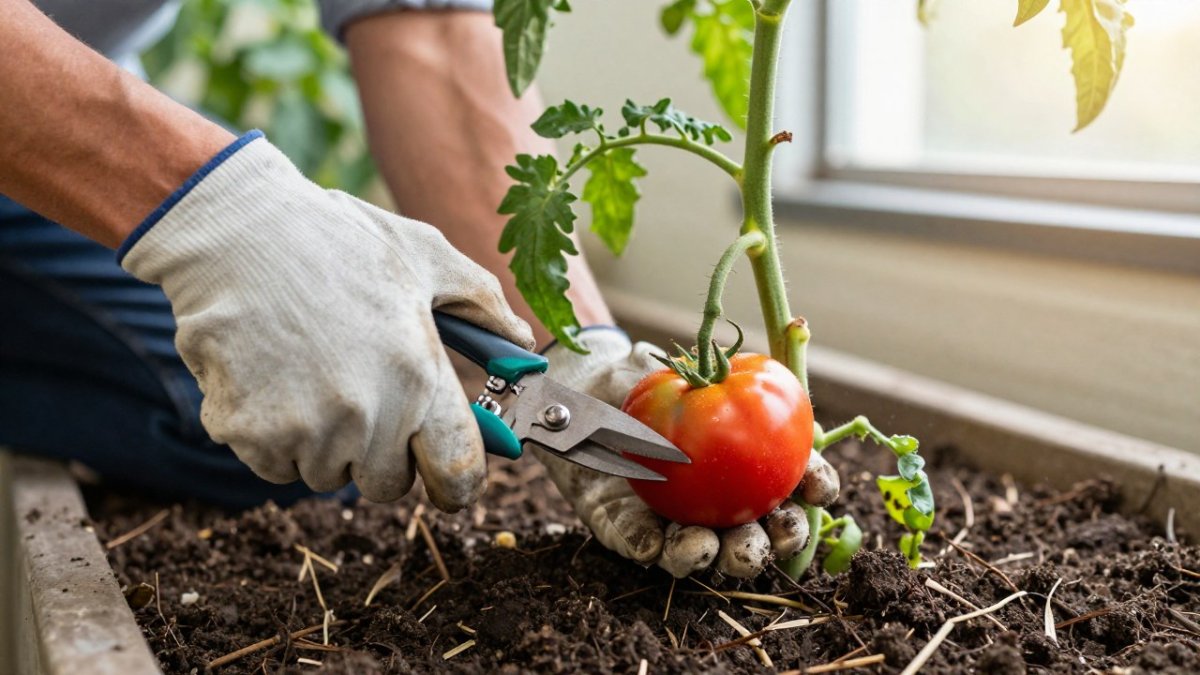
Follow these simple rules:
- Use the right tool. Clean, sharp pruners or a knife work best for squash, cucumbers, and peppers. Twisting or yanking tears the stem.
- Cut, do not pull. Leave a short stem on fruit like squash, which helps it keep longer.
- Support the plant. Hold the stem with one hand while you cut with the other, so the plant does not bend or snap.
- Handle produce gently. Bruised vegetables spoil faster. Place them in a basket, not a deep pile.
!A gardener's hands in soil-stained gloves snipping a ripe tomato from a vine with clean pruners in a backyard vegetable bed, morning light
How to Harvest Spinach and Basil So They Keep Regrowing
Leafy crops are where many gardeners lose their harvest. The goal is to take leaves without stripping the plant.
How to Harvest Basil
Pinch or cut stems just above a pair of leaves. This forces the plant to branch out, which gives you more stems and more leaves over time. Never take more than about a third of the plant at once. Regular light picking keeps basil bushy. If you let it flower without picking, the plant puts energy into seed and the leaves turn bitter. (Source: physiological maturity in vegetable crops)
How to Harvest Spinach
Pick the outer leaves first and leave the center of the plant to keep growing. Spinach bolts (sends up a flower stalk) when the weather turns hot, so harvest regularly during cool weather to get the most from each plant.
Harvesting Fruiting and Root Crops
Fruiting crops and root crops need different handling.
Fruiting crops like tomatoes, peppers, and eggplants keep producing when you pick them often. Once a fruit is ripe, pick it. Leaving ripe fruit on the plant tells it to slow down. Frequent harvesting is one of the easiest ways to increase your total yield.
Root crops like carrots, beets, and radishes are different. You cannot pick them repeatedly. Harvest them once they reach the size you want, and pull them gently after loosening the soil. Water the bed the day before to make digging easier and reduce breakage.
Handling and Storing Vegetables After Harvest
What happens in the first hour after picking matters as much as the harvest itself. Most vegetables are still alive after cutting, they respire, lose water, and warm up, and how you manage that first hour decides how long the harvest keeps and how much of it reaches the table instead of the compost.
Cool the harvest fast. Field heat is the main enemy of freshness. Move produce into shade immediately, then into the coolest available space, a cool basement, a shaded garage, or the refrigerator for crops that tolerate it. The faster the temperature drops, the slower the produce respires and the longer it holds quality.
Decide whether to wash. Rinse only when you are ready to eat or cook. Moisture on the surface speeds spoilage in many crops, especially berries, squash, and root vegetables. For storage crops like onions, garlic, and winter squash, cure them in a dry, airy spot first so skins toughen and keep longer.
Match storage to the crop.
- Leafy greens and herbs: fridge, wrapped in a damp cloth or in a lidded container; use within a few days.
- Tomatoes: room temperature, out of direct sun, stem-side down; refrigeration dulls flavor.
- Root crops: cool, dark, humid storage; remove tops before storing so leaves do not pull moisture from the root.
- Fruiting crops (peppers, eggplant, cucumbers): fridge, dry, in a breathable bag; use within about a week.
- Winter squash and onions: dry, airy, room-temperature storage after curing.
Handle gently and sort. Bruised produce spoils faster and can spoil the rest. Place produce in a basket or shallow tray rather than a deep pile, and remove damaged or overripe pieces before storage so they do not spread mold.
Keep food safety in view. Wash hands and tools before handling, keep harvested produce away from raw meat and pet areas, and refrigerate cut produce promptly. Watch out: storing damp produce in a sealed container is one of the most common ways a good harvest turns slimy within days, dry it first, then store.
A simple routine, harvest cool, cool fast, wash later, sort out damage, and store by crop type, extends the usable life of everything you pick and makes the yield gains from frequent harvesting actually count.
Start Your Harvest Routine in Your Own Garden
A steady harvest comes from steady habits: checking maturity often, picking early in the day, using clean tools, and never leaving ripe fruit on the plant. Try these habits for one season and keep notes on what changes. That is exactly how our homesteading knowledge was built, one journal entry at a time.
If you are new to growing, our guide on how to start a vegetable garden for beginners covers layout, soil, easy crops, and planting times. For the full collection of garden methods we have tested over the years, explore our garden guides on Herban Root and Remedy.
Still learning which harvest habits work best for your plants? Join the Herban Root and Remedy community to grow, preserve, and share what works in your own garden.
Frequently Asked Questions
How do you harvest vegetables without damaging the plant?
Use clean, sharp pruners or a knife rather than pulling or twisting fruit off the stem. Cutting leaves a clean wound that heals quickly, while tearing can bruise the plant and invite disease. Support heavy branches with one hand while you cut, and handle ripe produce gently so the stems and nearby fruit stay intact for the next flush of growth.
How often should you harvest vegetables to encourage more growth?
Harvest frequently. Seed Savers Exchange notes that picking tomatoes as they ripen encourages plants to produce more fruit, and that picking tomatoes, eggplants, and peppers more often supports continued production. Check fruiting crops every few days in peak season and pick leafy greens and herbs regularly, taking only what you need so the plant keeps putting out new growth.
How do you know when vegetables are ready to harvest?
Look for proper maturity for each crop rather than going by size alone. Fruiting vegetables should show full color and firm skin, leafy greens are best picked while tender, and root crops are ready when their tops and shoulders show the expected size for the variety.
How do you harvest basil so it keeps growing?
Pinch or cut stems just above a leaf node, taking the top sets of leaves rather than stripping a stem bare. Cutting above a node prompts the plant to branch, which gives you a fuller, bushier plant and more leaves over the season. Avoid letting basil flower early, since removing flower buds keeps the leaves tender and the plant productive.
